



Early reading
Literacy
Reading is built on listening. First a child hears and plays with the sounds inside words, then links those sounds to letters, blends them into short words, and learns the small words that turn up in every book.
- Sight words
- 133 Dolch words
- CVC words
- 89 with pictures
- Games
- 2 reading games
- Cost
- Free
Reading games
Sight words
Firefly Words
Fireflies drift over a summer meadow, each glowing with a word. Find the one Patchy says, or read each word aloud. Fill the jar and the fireflies draw a picture in the stars.

CVC decoding
Word Train
A train pulls in with one letter on each car. Tap each car and say its sound, slide to blend, then pick the picture and send it off. The last train pulls into Word Town for a parade.

Phonological awareness
Phonological awareness is hearing the sound structure of spoken words: that words rhyme, that they break into syllables, and that they are made of single sounds. It is a listening skill, so there are no letters yet, and it is one of the strongest early predictors of learning to read. Most children move through it in roughly this order, from big chunks to single sounds.
Words in a sentence
Around 3 to 4Say a short sentence and clap or hop a counter for each word.
“The dog ran.” → three claps
Rhyme
Around 4 to 5First hear it (“Do cat and hat rhyme?”), then make it (“What rhymes with cat?”). Nonsense rhymes count.
-an family: man, can, than, plan, ran, van
-ock family: sock, rock, knock, lock, block, clock
-all family: ball, all, call, fall, wall, hall
Syllables
Around 4 to 5Clap, tap or jump once per syllable. To blend, say the parts with a pause and let the child put the word together.
man (1) · monkey (2) · magazine (3) · motorcycle (4) · sun (1) · seven (2)
First sounds and onset-rime
Around 5Which sound does the word start with? Then split a word before its vowel and put it back together.
“What is the first sound in sun?” → /s/ · /m/ + op → mop
Blending and segmenting sounds
Around 5 to 6Say each sound with a short gap and the child says the word. Then reverse it: say the word and the child pulls it apart. Segmenting is the harder of the two.
Blend: /m/ /a/ /n/ → man · /m/ /oo/ /n/ → moon · /s/ /uh/ /n/ → sun · /s/ /ah/ /k/ → sock · /b/ /aw/ /l/ → ball · /b/ /a/ /t/ → bat
Segment: man → /m/ /a/ /n/ · moon → /m/ /oo/ /n/ · sun → /s/ /uh/ /n/ · sock → /s/ /ah/ /k/ · ball → /b/ /aw/ /l/ · bat → /b/ /a/ /t/
Changing sounds
Around 6 to 7Take a sound away or swap one. This is the most advanced step and keeps building into first and second grade.
“Say mat without /m/.” → at · “Change /k/ in cat to /h/.” → hat
Awareness activities for every speech sound
Each speech sound page has its own rhyme families, syllable words, blending and segmenting lists, all built from that sound’s word list, so a child can practice their speech sound and their listening skills with the same words.
Sight words
Sight words are the short, very common words a child meets on every page, like the, said and was. Many can be sounded out (and, big, can); others have a tricky part that does not follow the usual sounds. Read the regular parts by sound, point out the tricky part, and practice until the whole word comes at a glance. These are the Dolch lists most schools use.
Pre-primer
40 wordsOften preschool and early kindergarten
- a
- and
- away
- big
- blue
- can
- come
- down
- find
- for
- funny
- go
- help
- here
- I
- in
- is
- it
- jump
- little
- look
- make
- me
- my
- not
- one
- play
- red
- run
- said
- see
- the
- three
- to
- two
- up
- we
- where
- yellow
- you
Primer
52 wordsOften kindergarten
- all
- am
- are
- at
- ate
- be
- black
- brown
- but
- came
- did
- do
- eat
- four
- get
- good
- have
- he
- into
- like
- must
- new
- no
- now
- on
- our
- out
- please
- pretty
- ran
- ride
- saw
- say
- she
- so
- soon
- that
- there
- they
- this
- too
- under
- want
- was
- well
- went
- what
- white
- who
- will
- with
- yes
First grade
41 wordsOften first grade
- after
- again
- an
- any
- as
- ask
- by
- could
- every
- fly
- from
- give
- going
- had
- has
- her
- him
- his
- how
- just
- know
- let
- live
- may
- of
- old
- once
- open
- over
- put
- round
- some
- stop
- take
- thank
- them
- then
- think
- walk
- were
- when
CVC words
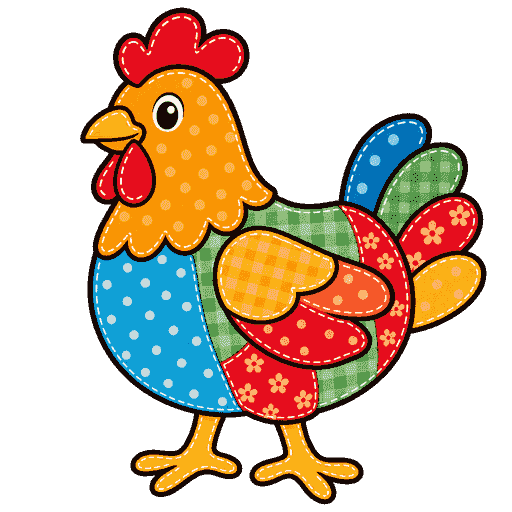
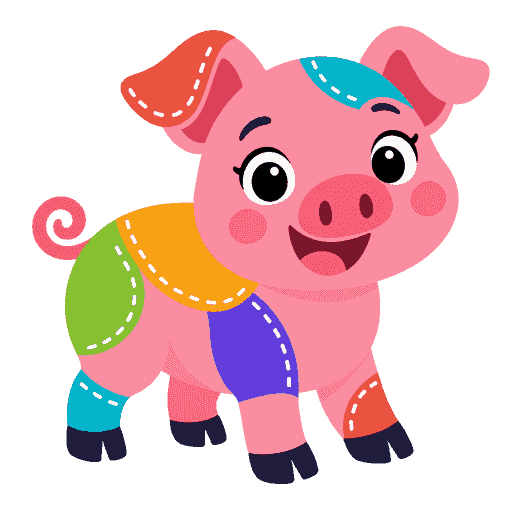
CVC words are consonant, vowel, consonant: cat, pig, sun. They are usually the first words a child reads by sounding out. Say each sound, keep the voice going from one to the next, and the word appears. Start with one short vowel at a time, then mix them, so the child has to look at the middle letter every time.


Short u
21 words, as in bug
- bug
- rug
- mug
- jug
- hug
- tug
- pug
- bun
- sun
- run
- cup
- pup
- cut
- hut
- nut
- bus
- cub
- tub
- rub
- gum
- mud
All the vowels
Every word above, mixed together. The pictures to choose from are words spelled almost the same, often one letter apart, so the child reads all three sounds instead of guessing from the first.
Tips for grown-ups
Keep sounds clean
Say /m/ as “mmm”, not “muh”. An added “uh” makes blending harder: c-uh, a, t-uh does not sound like cat. Sounds you can stretch (m, s, f, l) are the easiest to blend.Short and often
Five to ten minutes a day does more than one long session. Stop while it is still fun, and come back to a game tomorrow rather than pushing through.Listening comes first
If letters feel hard, step back to rhyme and syllables for a while. Phonological awareness can be practiced in the car or the bath with no print at all.When to ask for help
If a child of five or older still cannot hear rhymes or the first sound in a word, or reading is not building after steady practice, talk to the child’s teacher or a speech-language pathologist. Speech sound and language difficulties and reading difficulties often travel together.